Head-to-Head: Sonos Beam Gen 2 vs Marshall Heston 60 (Detailed Comparison)
The landscape of home audio has shifted dramatically over the last decade. Where once a living room necessitated a complex web of receivers, floor-standing speakers, and copper wiring, modern consumers now demand high-fidelity sound contained within sleek, compact, and often wireless enclosures. The competition for the center of the entertainment center is fierce, and two products currently represent the pinnacle of distinct design philosophies: the Sonos Beam Gen 2 and the Marshall Heston 60. While both aim to revolutionize the auditory experience of a modern home, they approach the task from polar opposite directions. One is a masterclass in software integration and spatial audio engineering, while the other is a tribute to raw power and the storied heritage of rock and roll stage presence.
Choosing between these two systems requires more than just looking at a price tag or a frequency response graph. It requires an understanding of how you live, how you consume media, and what kind of aesthetic statement you wish to make in your home. The Sonos Beam Gen 2 is the darling of the home theater enthusiast who lives in an apartment or a moderately sized home, offering a sophisticated entry point into Dolby Atmos. The Marshall Heston 60, conversely, is for the listener who treats music as an event and wants their equipment to look as iconic as the hits they are playing. In this detailed comparison, we will dissect every nuance of these two heavyweights to help you decide which one deserves the prime real estate under your television or on your bookshelf.
The Evolution of Compact Sound: An In-Depth Analysis
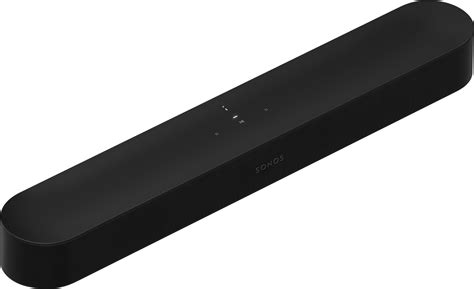
To understand the Sonos Beam Gen 2, one must understand the Sonos ecosystem. Sonos has built its reputation on the "it just works" philosophy of multi-room audio. The Beam Gen 2 is a compact soundbar that packs a surprising punch, utilizing five powerful internal speakers and a faster-than-ever processor to handle the complexities of virtualized Dolby Atmos. Unlike its predecessor, the Gen 2 focuses heavily on the "height" dimension of sound. Through psychoacoustic techniques and advanced phased array processing, the Beam Gen 2 creates a soundstage that feels much wider and taller than the physical dimensions of the bar would suggest. This is particularly noticeable in modern streaming content, where helicopter flyovers or rainstorms feel as though they are happening above the listener, despite the lack of physical up-firing drivers.
On the other hand, the Marshall Heston 60 represents a different kind of evolution. Marshall has successfully transitioned from being the "loudest brand on the stage" to a premium lifestyle audio brand without losing its soul. The Heston 60 is a powerhouse stereo system that prioritizes organic, warm, and room-filling sound. While it lacks the HDMI-eARC complexities of the Sonos, it makes up for it with sheer displacement and amplification efficiency. It is designed for the user who likely spends as much time listening to vinyl or high-quality lossless streaming as they do watching cinema. The Heston 60 utilizes a classic woofer and tweeter configuration, tuned to provide that signature Marshall growl in the low-mids while maintaining crisp, non-fatiguing highs. It is less about "virtualizing" an environment and more about "dominating" one with pure decibels and clarity.

Sonos Beam Gen 2: The Modernist’s Choice
The Beam Gen 2 is encased in a sleek, polycarbonate grille that is easier to clean and more durable than the fabric of the first generation. Under the hood, it features one center tweeter for crisp dialogue, four elliptical mid-woofers for mid-range and bass, and three passive radiators to enhance the low end without the need for a massive external subwoofer. The real magic, however, is the Trueplay tuning. By using the microphones on an iOS device, the Sonos app measures how sound reflects off your walls, furniture, and ceiling, then adjusts the speaker’s EQ to match the specific acoustics of your room. This level of software-driven optimization is something the Marshall Heston 60 simply does not offer, making the Sonos a much more versatile "chameleon" for difficult room layouts.
Marshall Heston 60: The Traditionalist’s Powerhouse
The Marshall Heston 60 is a sight to behold. Wrapped in textured vinyl with a salt-and-pepper fret cloth and the iconic script logo, it looks like a miniature guitar amp. It doesn't try to hide under a TV; it wants to be seen. Its physical controls are a delight to use—brass-colored knobs for volume, bass, and treble allow for tactile, analog-style adjustments. While it features modern connectivity like Bluetooth 5.2 and an optical input for TV connection, it is at its best when it is the focal point of a room. The Heston 60’s internal Class D amplifiers are beefy, providing a sense of headroom that the Sonos Beam can struggle with at maximum volumes. It delivers a "big" sound that feels less like a processed signal and more like a live performance.
Detailed Comparison Features
When comparing these two, we have to look at the primary use cases: cinematic television viewing versus dedicated music listening. The Sonos Beam Gen 2 is clearly built for the former. With its HDMI eARC port, it supports high-bandwidth audio formats, ensuring that you get the best possible sound from your 4K Blu-rays or streaming services. Dialogue enhancement is a standout feature here; the Sonos app allows you to toggle a setting that lifts human voices above the background noise of action scenes, a common pain point for home viewers.
Shop the latest Electronics picks on Amazon.
Shop Amazon →The Marshall Heston 60, while capable of being used as a TV speaker via its optical input or 3.5mm jack, lacks the smart integration of the Sonos. It does not have a dedicated app for "Night Mode" or "Speech Enhancement." However, it destroys the Beam when it comes to pure musicality. The stereo separation on a single cabinet is impressive, and the ability to manually tweak the bass and treble on the fly makes it far superior for someone who wants to tailor the sound to a specific genre of music, like jazz or heavy metal, without digging through smartphone menus.
Technical Specifications Comparison
| Feature | Sonos Beam Gen 2 | Marshall Heston 60 |
|---|---|---|
| Primary Category | Smart Soundbar (Home Theater) | Home Stereo / Lifestyle Speaker |
| Audio Support | Dolby Atmos, DTS, PCM | Stereo PCM, aptX Adaptive |
| Connectivity | HDMI eARC, Wi-Fi, Ethernet, AirPlay 2 | Bluetooth 5.2, Optical, 3.5mm, RCA |
| Voice Assistants | Amazon Alexa, Google Assistant | None |
| Room Correction | Trueplay (iOS only) | Manual Bass/Treble Knobs |
| Control Method | App, Voice, TV Remote, Touch | Analog Knobs, Marshall App |
| Finishes | Matte Black, Matte White | Black, Cream, Brown |
Pros and Cons
Sonos Beam Gen 2
- Exceptional Dialogue Clarity: The dedicated center channel processing makes it one of the best speakers for understanding speech in movies.
- Dolby Atmos Integration: While virtualized, the sense of space and height is impressive for a soundbar of this size.
- Multi-room Ecosystem: Seamlessly integrates with other Sonos speakers to play music throughout the entire house.
- Trueplay Tuning: Software calibration ensures the speaker sounds great regardless of where it is placed in the room.
- Lack of Physical Connectivity: There is no Bluetooth (music is streamed over Wi-Fi), and no auxiliary or RCA inputs for older devices.
- Software Dependent: To get the most out of the speaker, you are heavily reliant on the Sonos app, which may not appeal to everyone.
Marshall Heston 60
- Iconic Aesthetic: The vintage design is a conversation starter and fits beautifully in mid-century or retro-styled rooms.
- Raw Power: It can achieve much higher volume levels without distortion compared to the Sonos Beam.
- Tactile Controls: The brass knobs offer a satisfying, physical way to adjust sound that feels more intuitive than an app.
- Connectivity Variety: Includes Bluetooth, Optical, and RCA, making it compatible with turntables and older audio gear.
- Lacks Smart Features: No built-in voice assistants, no HDMI ARC, and no Wi-Fi streaming capabilities.
- No Surround Sound: It is a strictly stereo experience, making it less immersive for cinematic movies than the Sonos.
Buying Guide: Which One is Right for You?
Deciding between the Sonos Beam Gen 2 and the Marshall Heston 60 comes down to identifying your "Primary Listening Habit." Because these products cater to different priorities, you should ask yourself the following questions before making a purchase.
1. Do you watch more movies or listen to more music?
If your television is the center of your world, the Sonos Beam Gen 2 is the logical choice. The HDMI eARC connection allows for seamless control via your TV remote (CEC), and the Dolby Atmos support ensures that modern Netflix, Disney+, and Amazon Prime content sounds exactly as the directors intended. If you are a music-first listener, particularly someone who enjoys the ritual of playing music from a turntable or a high-res Bluetooth source, the Marshall Heston 60 provides a more emotive, powerful, and authentic stereo experience.
2. Is "Smart Home" integration important?
The Sonos Beam Gen 2 is a computer disguised as a speaker. It integrates with your lighting, your security cameras, and your smart assistants. You can ask it for the weather, to adjust your thermostat, or to play a specific playlist. The Marshall Heston 60 is an "analog" soul in a digital world. It doesn't have a microphone, it doesn't listen to you, and it doesn't care about your smart light bulbs. For the privacy-conscious or the tech-weary, this lack of "smart" connectivity is often seen as a significant advantage.
3. What is the size and layout of your room?
In a small apartment, the Sonos Beam Gen 2’s ability to bounce sound off walls to create a wider stage is a godsend. It saves space and eliminates the need for multiple speakers. However, in a very large, open-concept living room with high ceilings, the Beam Gen 2 can start to sound "small." In these larger spaces, the sheer air-moving capability of the Marshall Heston 60’s larger drivers will fill the room with sound much more effectively, even if that sound is only coming from one direction.
4. Do you plan to expand your system later?
This is where Sonos usually wins. If you buy a Beam today, you can buy two Sonos Eras for surrounds and a Sonos Sub for deep bass next year. They all connect wirelessly to the Beam to create a true 5.1.2 home theater system. The Marshall Heston 60 is largely a standalone unit. While Marshall has some multi-room capability in other lines, the Heston 60 is designed to be a "one and done" purchase that stands tall on its own merit.
Discover deals on Electronics — updated daily.
Browse Now →Real-World Performance Scenarios
Imagine you are hosting a dinner party. The Sonos Beam Gen 2 is fantastic for background ambience. You can group it with a Sonos One in the kitchen so the music flows perfectly as people move between rooms. The volume is consistent, and the sound is polite and balanced. Now, imagine you are hosting a lively Friday night gathering where the music needs to be the heartbeat of the room. The Marshall Heston 60 is built for this. Its ability to handle high-energy tracks with punchy bass and a forward mid-range makes it the far better "party" speaker.
For late-night gaming sessions, the Sonos again takes the lead. Its "Night Sound" mode reduces the intensity of loud explosions while enhancing quiet sounds, allowing you to play "Call of Duty" or "Elden Ring" at 2:00 AM without waking up the entire house. The Marshall, by comparison, doesn't really do "quiet" as well; it wants to be driven. It is a speaker that rewards enthusiasm, whereas the Sonos rewards precision.
Final Thoughts: The Verdict
The Sonos Beam Gen 2 and the Marshall Heston 60 are both five-star products, but they are designed for two different types of people. The Sonos Beam Gen 2 is the ultimate "utility player." It is smart, sophisticated, and incredibly efficient at extracting big cinematic sound from a small footprint. It is the best choice for the vast majority of consumers who want a reliable, high-tech upgrade to their TV speakers that can also handle Spotify or Apple Music duties with grace. If you value software updates, voice control, and immersive movie nights, the Sonos is your winner.
The Marshall Heston 60 is the choice for the "listener." It is for the person who sees an audio system as a piece of furniture and an extension of their personality. It sacrifices the convenience of HDMI and voice control for the sake of superior stereo imaging, higher volume ceilings, and a timeless aesthetic. It feels like a piece of equipment, whereas the Sonos feels like a gadget. If you want your music to have "soul," and you want a speaker that looks as good as it sounds on a mahogany shelf, the Marshall Heston 60 is the undisputed champion of style and sonic power.
In the end, neither speaker will disappoint. The "correct" choice is simply the one that aligns with how you spend your Sunday afternoons—whether that is immersed in a blockbuster cinematic universe or lost in the grooves of your favorite album. Both the Sonos and the Marshall represent the best of their respective worlds, showing that whether through cutting-edge algorithms or classic acoustic engineering, high-quality home audio has never been more accessible or more impressive.