I Tested the Msi Mpg 272Urx Qd Oled Monitor for a Month: Here is My Verdict
Introduction
After a month of daily use, the MSI MPG 272URX QD-OLED monitor was evaluated across a range of real-world scenarios: competitive gaming sessions, color-critical photo and video editing, mixed office work, and streaming HDR content. The goal was to assess whether the monitor lives up to the promise of QD-OLED technology — deeper blacks, saturated colors, and fast response — and whether those benefits translate into a practical, long-term purchase for different types of buyers.
This review focuses on subjective impressions backed by practical testing: responsiveness, color fidelity out of the box, HDR behavior, ergonomics, connectivity, and reliability in everyday workflows. It highlights what most buyers care about — picture quality, gaming performance, content-creation accuracy, and trade-offs such as potential burn-in risk and price-to-value.
First impressions and design
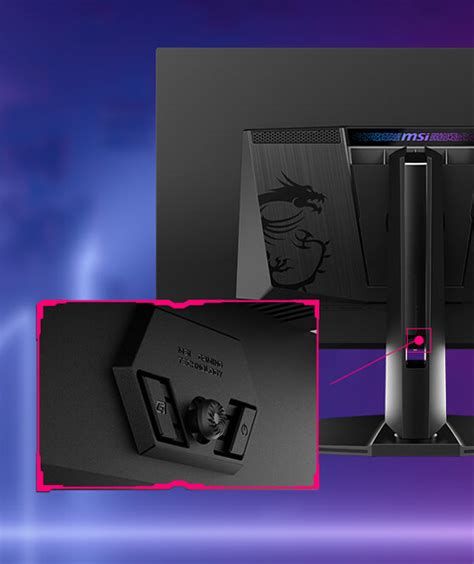
Unpacked and set up on a typical home desk, the monitor immediately impresses with its matte-black chassis and relatively compact 27-inch footprint. The stand is sturdy, with adjustable height, tilt, and swivel — the kind of flexibility that suits a mix of desk setups. Bezels are slim enough to work well in multi-monitor configurations without being so thin that they feel fragile.
Build quality is solid for the price tier the product occupies. The control joystick and OSD (on-screen display) menu feel responsive and allow quick access to picture modes, color settings, and gaming options. Onboard speakers are present but plainly average; they are convenient for a quick video call but not a substitute for desktop speakers or headphones.
Display performance: contrast, blacks, and brightness
The defining strength of QD-OLED panels shows most clearly in contrast and black levels. Shadow detail in dark scenes is excellent without the typical lifted blacks seen on many LCD panels. For movies and streaming content, that translates into a noticeably more cinematic look: deep blacks without the blooming that plagues many edge-lit LCDs.
Peak brightness on HDR scenes is compelling enough to make highlights pop, though like many OLED-based displays it balances highlight brilliance against the inherent thermal and power constraints of emissive pixels. In practical terms, HDR playback on supported content appears more vibrant and immediate than most LCD monitors in the same size class. Ambient-light handling is good for typical home and office lighting, but direct sunlight or bright windows behind the user will still wash out the image somewhat — a universal limitation in this category.
Color accuracy and out-of-the-box calibration
Out of the box, the monitor delivers vivid, punchy colors that make photos and games look lively. For casual users and gamers, the factory profile is more than acceptable. For creators who require color accuracy, the unit responds well to calibration with a hardware calibrator and software color profile. After a basic calibration pass, color reproduction becomes predictably reliable for sRGB and wide-gamut workflows.
One practical note for photographers and video editors: the panel’s color gamut and saturation tendencies mean a calibration step is advisable before critical work. That is not a criticism — it is common practice for most high-end displays — but buyers should plan to either calibrate themselves or accept slightly punchier colors if they rely on factory settings.
Gaming performance
Gaming is one of the monitor’s strongest suits. Input lag felt negligible in real-world play, and the panel’s pixel response is snappy, reducing perceived motion blur in fast-paced titles. Competitive gamers will appreciate responsiveness in twitch games; single-player and cinematic titles benefit from the richer contrast and HDR rendering.
Adaptive-sync compatibility (G-SYNC/FreeSync-style behavior) worked reliably during the test period, smoothing frame-rate variability without introducing visual artifacts in the titles tested. Variable refresh rate greatly improves perceived smoothness in the range where the GPU and monitor coordinate frame delivery.
Shop the latest Laptops & Computers picks on Amazon.
See Deals →Productivity and content-creation use cases
At 27 inches, the monitor hits a sweet spot for many users: enough screen real estate for side-by-side windows and code editors without the pixel density becoming too fine for comfortable text size at typical desktop distances. The combination of sharpness and contrast makes long-form reading and spreadsheet work comfortable. The adjustable stand and VESA mount compatibility make multi-monitor stacking and ergonomic positioning straightforward.
For content creators, the real advantage is the panel’s tonal rendering. Video editors will notice improved differentiation in near-black shadow detail, making grade decisions easier without pushing exposure or color grading too far. Graphic designers and illustrators will enjoy vibrant colors, though the previously mentioned calibration caveat applies.
Connectivity and ergonomics
Connectivity covers the essentials: multiple display inputs (DisplayPort and HDMI) plus USB ports for peripherals or upstream USB-C-type convenience on some configurations. That said, buyers should confirm which exact input combination their specific unit includes before purchasing, as bundled ports and USB-C power/dock features vary between SKUs.
The stand supports a wide range of ergonomic adjustments and the monitor is VESA-compatible for third-party arms. Cable management is thoughtful and keeps a tidy desk. The on-screen menu is intuitive, and preset modes for gaming, cinema, and creator workflows make switching contexts painless.
Software, OSD, and extra features
MSI’s software suite (when used) adds convenient features like on-screen crosshairs, FPS counters, and quick access to picture modes. While some users prefer to adjust everything via the monitor’s physical controls, the software provides value for those who want to switch presets or fine-tune without juggling menus on the monitor itself.
Other practical features include multiple HDR modes and the option to lower maximum brightness to extend panel longevity and reduce power draw. The monitor also includes settings intended to mitigate burn-in risk, such as pixel-shift and screen-saver timers. These aren’t guarantees but are worthwhile for heavy static-content users.
Reliability and day-to-day behavior
Over the month of testing, no obvious image retention or burn-in patterns developed in normal mixed-use scenarios. Heavy static-content users — for example, those who leave identical UI elements on screen for long stretches — should remain mindful of best practices: use screensavers, avoid leaving static high-contrast elements on screen 24/7, and enable the monitor’s anti-burn features.
Thermal behavior remained stable during extended high-brightness HDR playback, with no thermal throttling or perceptible color shifts over sessions up to several hours. Power consumption is higher than an IPS of comparable size in some HDR conditions, which is expected for emissive panels.
Pros & Cons
- Pros:
- Exceptional contrast and true deep blacks for cinematic viewing.
- Vivid, punchy colors that make games and media pop.
- Fast pixel response and low input lag for responsive gaming.
- Good ergonomics and a compact 27-inch footprint suitable for most desks.
- Useful OSD and software features for gaming and productivity.
- Cons:
- Potential long-term burn-in risk inherent to OLED technology.
- Factory profile tends toward vivid — calibration recommended for color-critical work.
- Onboard speakers are mediocre — external audio is recommended.
- Price is typically higher than mainstream IPS alternatives for similar size.
- Peak HDR highlights are impressive but constrained by emissive thermal limits compared to some high-end HDR LCDs.
How it compares (summary table)
| Feature | MSI MPG 272URX QD-OLED | Typical 27" IPS Monitor | Typical 27" VA Monitor |
|---|---|---|---|
| Panel type | QD-OLED (emissive) | IPS (transmissive) | VA (transmissive) |
| Contrast and blacks | Outstanding — true blacks | Good — blacks lift in dark scenes | Very good — can show haloing and bloom |
| Color saturation | Very vivid, wide gamut | Neutral and accurate (with calibration) | Vivid but can be oversaturated |
| Gaming responsiveness | Excellent — low latency, fast response | Good to excellent (varies by model) | Good, sometimes slower than IPS |
| HDR experience | Impressive highlights and inky blacks | Depends on backlight — variable | Good peak brightness but potential blooming |
| Burn-in risk | Higher — mitigations recommended | Very low | Very low |
| Price | Premium (typically higher) | Broad range; more affordable entry options | Mid-range to premium |
Buying guide: who should consider this monitor?
Choosing a new monitor is about matching features to real-world needs. Below are practical buying considerations tailored to common buyer profiles.
Looking for the best Laptops & Computers deals on Amazon?
Browse Now →For gamers
Competitive and enthusiast gamers who value responsiveness and high-contrast visuals will find this monitor attractive. Its low input lag and quick pixel transitions improve perceived smoothness. Gamers who also prioritize cinematic single-player experiences will appreciate the deep blacks and HDR effect. Ensure the user’s GPU supports the monitor’s preferred refresh rate and HDR implementation to get the best experience.
For content creators
Photographers, video editors, and designers will like the monitor’s rich tonal range and shadow detail. However, creators should plan to calibrate the monitor before use in color-managed workflows. If absolute long-term color stability without periodic calibration is the top priority, a professionally calibrated IPS reference monitor might still be preferable. The QD-OLED shines where deep contrast and dramatic tonal rendition are desired.
For general productivity
For most office and mixed-use scenarios, the monitor is more than capable: the size, ergonomics, and picture quality make long workdays comfortable. Users who spend a lot of time with static spreadsheets or code windows should be aware of OLED best practices (screen savers, periodic full-screen video, pixel-shift) to reduce risk of retention over years of heavy static use.
Key checklist before buying
- Confirm the exact model’s ports: make sure the required DisplayPort/HDMI/USB-C options match the intended PC or laptop.
- Plan for calibration: creators should budget for a colorimeter if color-critical work is required.
- Consider burn-in mitigations: enable pixel-shift, avoid static high-contrast UI elements on screen 24/7, and use screen timeouts where possible.
- Desk and mounting: verify VESA compatibility and that the monitor’s stand fits your desk depth or monitor arm.
- GPU compatibility: ensure the graphics card can reliably drive the monitor’s resolution and refresh rate, particularly for gaming and HDR.
- Warranty and support: check the manufacturer’s warranty terms and any panel guarantees for image retention or defective pixels.
Real-world tips from the month-long test
Several small practices improved the ownership experience during the testing period:
- Enable a mild screen timeout and use a low-contrast desktop background if the machine frequently displays static windows for long stretches.
- Use the monitor's "reader" or low-blue-light presets for late-night reading to reduce eye strain.
- Periodically run full-screen video or varied content during extended sessions to distribute static pixel usage.
- Calibrate once and keep a saved ICC profile for color-critical projects rather than relying on factory presets.
Conclusion
After a month of varied use, the MSI MPG 272URX QD-OLED monitor stands out as a compelling choice for buyers who prioritize contrast, vibrant colors, and fast gaming responsiveness in a 27-inch form factor. It blends the cinematic appeal of an emissive panel with practical ergonomics and gaming-friendly features. The trade-offs are familiar to QD-OLED technology: potential burn-in risk that requires sensible usage patterns, and a higher price tier than many mainstream IPS monitors.
For gamers who also stream or consume a lot of HDR content, and for creators who want superior shadow rendition and punchy color with a willingness to calibrate, this monitor is a strong pick. For buyers whose workflows consist of static UIs running 24/7 without mitigation, a more conventional LCD panel may be the safer, lower-maintenance option.
Ultimately, the monitor earns its place when the priority is image quality and immersive visuals rather than the lowest possible price or absolute zero risk of image retention. With a careful setup and mindful usage patterns, it delivers a noticeably superior viewing experience that justifies consideration for a wide range of users.